What Does Mobility Mean in Care?
Mobility is more than just movement—it’s the foundation of independence, confidence, and well-being. At PureSoul Care, we understand the challenges individuals face when mobility is limited. This guide explores strategies to improve mobility at home, ensuring safety, comfort, and independence for your loved ones.
Empowering Independence Through Improved Mobility
Providing comprehensive support to enhance mobility and improve quality of life. Our services ensure comfort, independence, and well-being for individuals needing assistance. With personalized care and expert guidance, we help clients regain confidence in their daily activities. Experience compassionate support tailored to your unique needs.
How to Improve Mobility at Home
Safe Home Modifications
Simple adjustments like installing grab bars, non-slip mats, and proper lighting reduce fall risks and promote confidence in movement.
Regular Exercise
Gentle activities like walking, stretching, or chair yoga can help maintain flexibility and muscle strength.
Assistive Devices
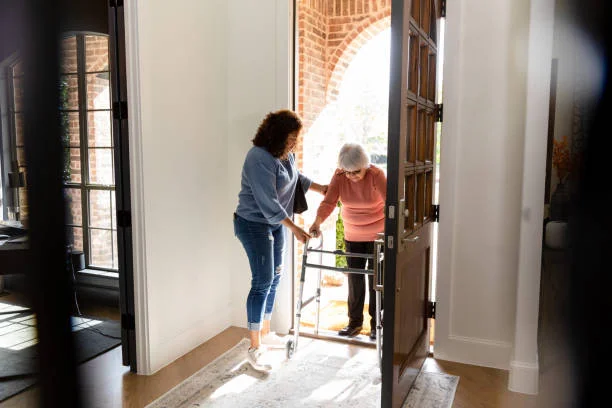
Equip your loved one with tools like walkers, canes, or wheelchairs. Ensure they are properly fitted and easy to use.
Professional Guidance
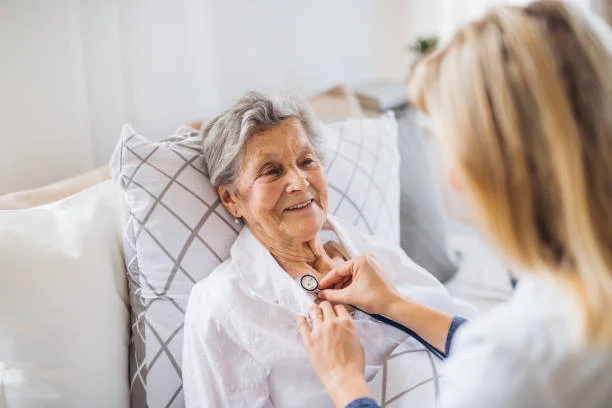
Partnering with physiotherapists or mobility experts ensures your loved one receives tailored exercises to enhance movement safely.
Tailored Mobility Support for Unique Needs
Every individual’s mobility needs are different. Whether managing recovery after surgery, supporting conditions like arthritis, or navigating neurological challenges, personalized plans are essential. Professional caregivers ensure mobility strategies align with medical advice and personal preferences.
Overcoming Common Mobility Barriers
Fear of Falling
Confidence-building exercises and support from caregivers help ease this anxiety.
Chronic Pain
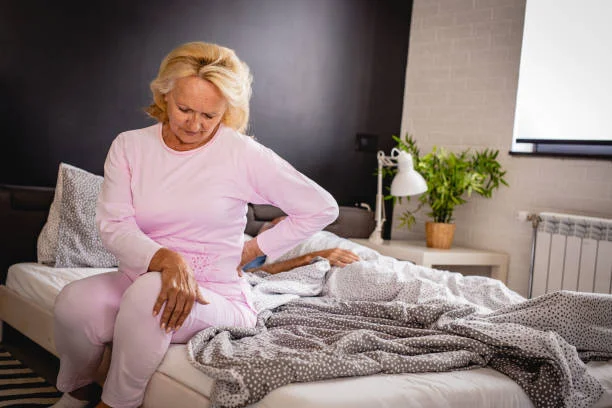
Pain management strategies, including physiotherapy and medication, reduce discomfort during movement.
Cognitive Impairments
Structured routines and clear guidance make mobility tasks easier for individuals with dementia or other cognitive conditions.
Finding the Perfect Mobility Solutions
Selecting the right mobility aid is crucial. Consider the individual’s condition, level of independence, and home environment. Common aids include:
-
Walkers and canes for additional balance
-
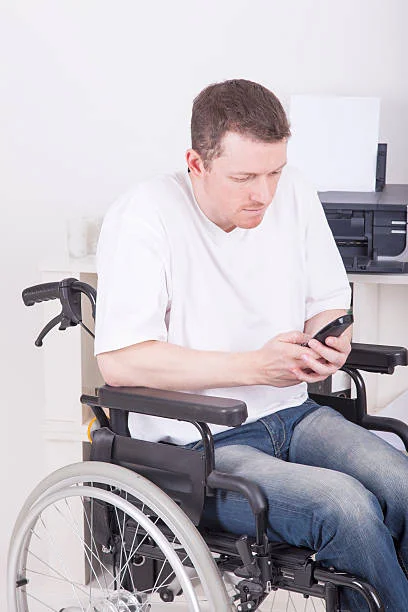
Wheelchairs for extended mobility
-
Stairlifts for navigating multi-story homes
Overcoming Common Mobility Barriers
Fear of Falling
Confidence-building exercises and support from caregivers help ease this anxiety.
Chronic Pain
Pain management strategies, including physiotherapy and medication, reduce discomfort during movement.
Cognitive Impairments
Structured routines and clear guidance make mobility tasks easier for individuals with dementia or other cognitive conditions.
Finding the Perfect Mobility Solutions
Selecting the right mobility aid is crucial. Consider the individual’s condition, level of independence, and home environment. Common aids include:
-
Walkers and canes for additional balance
-
Wheelchairs for extended mobility
-
Stairlifts for navigating multi-story homes
Why Mobility Matters in Home Care
Mobility impacts both physical and mental health. Limited movement can lead to complications such as muscle weakness, joint stiffness, and isolation. Enhancing mobility improves strength, balance, and confidence while preventing health issues associated with a sedentary lifestyle.
Frequently Asked Questions About Mobility Support
What is the best mobility aid for seniors?
The best aid depends on individual needs. Consult a professional to choose the most suitable device.
How can caregivers improve mobility for their loved ones?
Through personalized care plans, exercise routines, and emotional support, caregivers enhance mobility effectively.
Can mobility be improved in people with chronic conditions?
Yes! With the right exercises and assistive devices, mobility can improve significantly, even in chronic cases.
What safety measures should I take at home for mobility?
Install grab bars, ensure clear walkways, and use non-slip mats in high-risk areas like bathrooms and kitchens.